









Understanding the Hidden Immune Evasion Mechanisms by Cancer Cells and Therapeutic Approaches
- Authors
-
-
Marwah Rasah
Department of Zoology, Faculty of Arts and Sciences, Gharyan University, LibyaAuthor -
J. M. Jbireal
Department of Physiology, Faculty of Medicine, Sabratha University, Libya. Knowledge Center for Scientific Consultation, Academic Services, and Research, Sabratha, LibyaAuthor
-
- Keywords:
- Cancer Immunotherapy, Immune Escape, Tumor Microenvironment, Cancer Vaccines, Adoptive T-cell Therapy
- Abstract
-
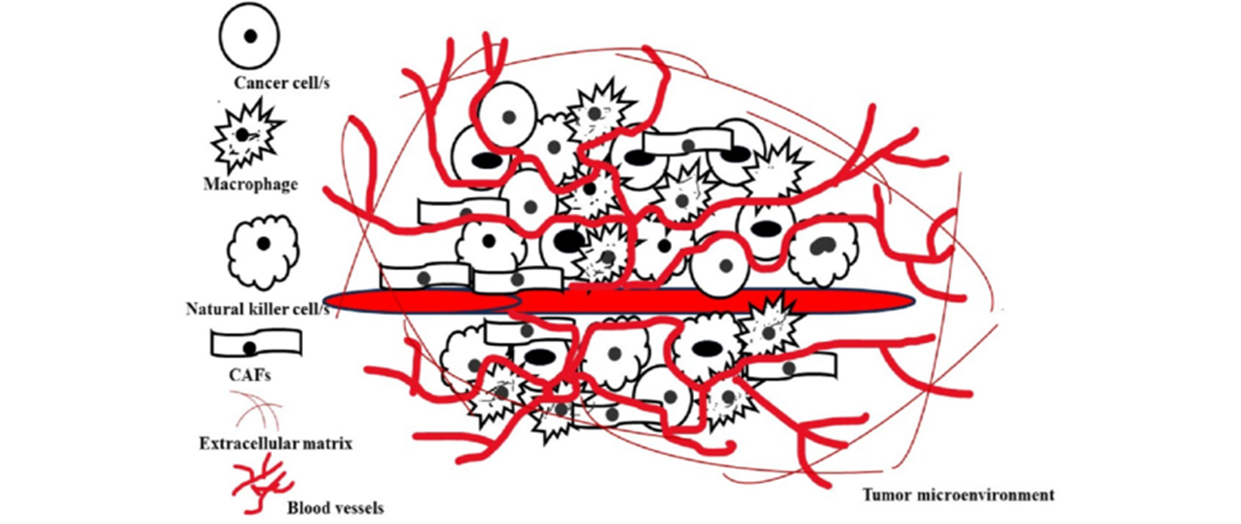
The immune system plays a fundamental role in recognizing and eliminating malignant cells to maintain cellular homeostasis. However, the tumor microenvironment (TME), composed of tumor and stromal cells, extracellular matrix, vascular components, and soluble mediators, promotes cancer progression by enabling immune escape mechanisms. Advances in cancer immunology have led to the development of various immunotherapeutic strategies designed to restore antitumor immune responses. These include monoclonal antibodies that selectively target tumor-associated antigens, therapeutic cancer vaccines that stimulate durable immune protection, and adoptive cell therapies that enhance tumor-specific T-cell activity. Although these approaches have shown significant clinical benefits, immune suppression within the TME continues to limit treatment efficacy. A deeper understanding of immune checkpoint pathways and tumor-induced immune dysfunction is therefore essential to improve current therapies and guide future innovations in cancer management.
- References
- Cover Image
-
- Downloads
- Published
- 2025-12-15
- Issue
- Volume 1, Issue 4, 2025
- Section
- Articles
How to Cite
Similar Articles
- Najwa Belhamad, Boshra Fathalla, Marfoua Ali, Prevalence and Risk Factors of Urinary Tract Infection among Pregnant Women Attending Antenatal Clinics at Some Private Sectors in El Jabal Al Akhdar, Al-Byda, Libya , Razi Medical Journal: Volume 2, Issue 1, 2026
- Malak Eljafari, Ebtihal Franda, Analgesic Effect of Ethanolic Buthus occitanus Tail Extract in Albino Mice , Razi Medical Journal: Volume 2, Issue 1, 2026
- Hamad Hasan, Enaam Mohamed, Adel Abdulathim, Detection of Types and Contents of Natural Radionuclides and Hazard Indexes in Vegetable and Soil Samples at Some Al-Marj City Locations , Razi Medical Journal: Volume 2, Issue 1, 2026
- Mufeedah Mansour, Khoulah Alaribi, Prevalence and Outcomes of Coagulase-Negative Staphylococci in Newborns Admitted to the NICU in a Tertiary Hospital in Libya , Razi Medical Journal: Volume 1, Issue 2, 2025
- Suad Altubouli, Hana Hafalish, Marfoua Ali, Serum 25-Hydroxy Vitamin D Levels and Disease Severity in Pediatric Atopic Dermatitis: An Inverse Correlation , Razi Medical Journal: Volume 2, Issue 1, 2026
- Amhamed Alhajaji, Faisal Abufalgha, Acute Intestinal Obstruction: Surgical Considerations , Razi Medical Journal: Volume 1, Issue 4, 2025
- Safa Mohammed Salim, Molecular Cytogenetic Study of Chronic Lymphocytic Leukemia Patients Diagnosed in Erbil City Using Fluorescence in Situ Hybridization (FISH) Technique , Razi Medical Journal: Volume 1, Issue 2, 2025
- Faraj Aljali, Fathi Asnini, Surgical Indications in Hashimoto’s Thyroiditis: A Retrospective Study from Tobruk Medical Center , Razi Medical Journal: Volume 2, Issue 2, 2026 (April to June)
- Fozia Aborayana, Fadila Elghadban, Souad Aboalqasim, Insulin-Dependent Diabetes Mellitus and the Pregnancy Outcomes: A Retrospective Study in the Pediatrics Department of Tripoli University Hospital – Tripoli, Libya , Razi Medical Journal: Volume 1, Issue 2, 2025
You may also start an advanced similarity search for this article.