







Analgesic Effect of Ethanolic Buthus occitanus Tail Extract in Albino Mice
- Authors
-
-
Malak Eljafari
Department of Pharmacology and Clinical Pharmacy, Faculty of Pharmacy, University of Tripoli, Tripoli, Libya.Author -
Ebtihal Franda
Department of Pharmacology and Clinical Pharmacy, Faculty of Pharmacy, University of Tripoli, Tripoli, Libya.Author
-
- Keywords:
- Analgesic, Scorpion, Buthus Occitanus, Ethanolic Extract
- Abstract
-
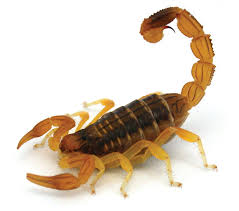
Scorpion powders have been used in traditional Chinese medicine for centuries to treat inflammation, pain, and cancer. Buthus martensii Karsch is the most frequently investigated scorpion species, whereas the Libyan species of B. occitanus remains pharmacologically unexplored. To study the potential analgesic effect of a Buthus occitanus ethanolic tail extract (BOETE) collected from Tarhona, Libya, in albino mice. Adult male and female albino mice (weighing 19–30 g, n = 7 per group) received intraperitoneal injections of either vehicle (0.9 % saline), BOETE (300 or 1000 mg/kg), or tramadol HCl (20 mg/kg). Thirty minutes post-injection, thermal nociception was quantified with the hot-plate (55 ± 1 °C) and tail-immersion (50 ± 1°C) tests; cut-off latencies were set at 30 s, respectively, to prevent tissue damage. Both doses of BOETE significantly increased reaction times compared to vehicle in the hot-plate assay (p < 0.05). In contrast, the extract at either dose did not prolong latency in the tail-immersion test compared to the saline group, and tramadol hydrochloride produced the largest analgesic effect during tail immersion. A promising analgesic effect was obtained by BOETE against thermal stimulation in mice, supporting its traditional use as an analgesic. These findings warrant further studies to isolate the bioactive components and elucidate the underlying mechanisms of action.
- References
- Cover Image
-
- Downloads
- Published
- 2026-01-25
- Issue
- Volume 2, Issue 1, 2026
- Section
- Articles
How to Cite
Similar Articles
- Awatf Abadi, Somaya Bayou, Khulood Al-Shaibani, Somaya Saied, Niroz Jaloul, Izdihar Al-Ruqai’i, Effects of Silene apetala Aqueous Extract on Offspring Sex Ratio in Mice: A Pilot Ethnobotanical and Experimental Study , Razi Medical Journal: Volume 2, Issue 2, 2026 (April to June)
- Nowar Bhari, Hamed Bogdadi, Shamsi Saad, Fagonia glutinosa from Libya as a Potential Source of Lead Compounds: GC-MS Characterization of Metabolites with Antimicrobial and Anticancer Activities , Razi Medical Journal: Volume 1, Issue 3, 2025
You may also start an advanced similarity search for this article.