









Women's Awareness of Contraceptives in Tripoli City: A Field Study
- المؤلفون
-
-
Wadiaa Benamer
Department of Pharmaceutics, Faculty of Pharmacy, University of Tripoli, Tripoli, Libyaالمؤلف -
Tamader Elghnimi
Department of Industrial Pharmacy, Faculty of Pharmacy, University of Tripoli, Tripoli, Libyaالمؤلف -
Mustafa Targhi
Department of Pharmaceutics, Faculty of Pharmacy, University of Tripoli, Tripoli, Libyaالمؤلف -
Loujain Husnein
Department of Pharmaceutics, Faculty of Pharmacy, University of Tripoli, Tripoli, Libyaالمؤلف -
Ussra Ben Enbaya
Department of Pharmaceutics, Faculty of Pharmacy, University of Tripoli, Tripoli, Libyaالمؤلف
-
- الكلمات المفتاحية:
- Birth Control, Contraceptive Methods, Pharmacists’ Role, Side Effects, Women's Health
- الملخص
-
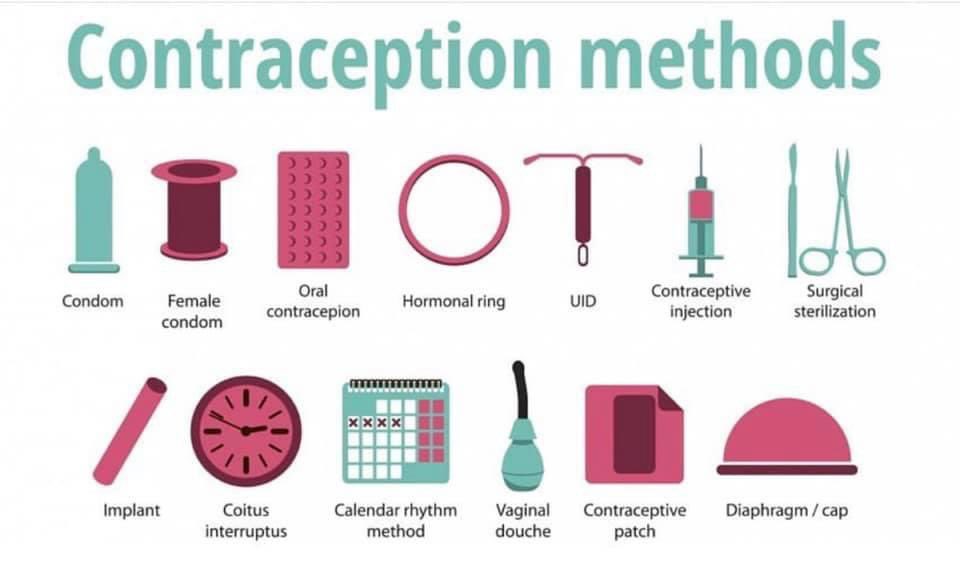
Contraception or birth control is the use of one or more of many methods, devices, chemicals, drugs, or even surgical procedures to prevent pregnancy; it is also known as fertility control. It's difficult to decide which contraceptive method is the best due to a wide variety of options. Researchers continue to work on finding the perfect convenient, effective, affordable, and safe contraceptive with the knowledge that most contraceptive methods are quite effective if used properly. This study was carried out to gain knowledge on how far women are with the various contraceptive methods and to evaluate their awareness of advantages, disadvantages, problems, and the proper use of each method. The study was carried out in Tripoli city by distributing a questionnaire form along with personal interview of 370 randomly selected women at one major women hospital (Al Jalaa Maternity Hospital) and three clinics (The Maltese Libyan Clinic, Al Massara Clinic, Al Mokhtar Clinic), and Fashlom public Polyclinic, the questionnaire consisted of a mix of close ended, open ended and multiple-choice questions. The study showed that 89 of the participants (38%) relied on the natural methods on the claim that no side effects are associated with them, although such methods are not highly effective in preventing pregnancy. Moreover, many of the study’s participants have either wrong or incomplete information on contraceptives in general; however, others have somewhat correct information. The counseling was mostly carried out by physicians and mainly around determining the type of contraceptive used. Roles of pharmacists as counselors and drug information providers were limited or even absent in most situations.
- المراجع
- Cover Image
-
- التنزيلات
- منشور
- 2025-08-07
- إصدار
- Volume 1, Issue 3, 2025
- القسم
- Articles
كيفية الاقتباس
المؤلفات المشابهة
- Muftah Elbahloul, Khadija Amer, Rehab Eltayeb, Exploratory Factor Analysis on Validity of the Knowledge, Attitude, and Practice Questionnaire toward Tuberculosis in the English language: A Public Health Research Concern , مجلة الرازي الطبية: Volume 2, Issue 2, 2026 (April to June)
- Fatima Elhag Ahmed, Susan Zroog, Abdelhakam Ali, https://submission.journalofcoms.com/ , مجلة الرازي الطبية: Volume 1, Issue 3, 2025
- Mohamed Zeglam, Mohamed Altier, Hala Alhawij, Mohamed Abuagila, A Cross-Sectional Assessment of Bacterial Contamination in Fixed Prosthodontic Impressions Transferred from Clinics to Dental Laboratories: A Study in Tripoli, Libya , مجلة الرازي الطبية: Volume 1, Issue 3, 2025
- Md Sayed Ali Sheikh, Umme Salma, Maternal Plasma Lipid Profile as a Potential Risk Factor for Spontaneous Preterm Labor , مجلة الرازي الطبية: Volume 1, Issue 2, 2025
- Heba Awad, Ishtar Imad, Fatima Abd-algabar, Hani Attia, Dhuha Hadid, Alaa Abed, Safaa Ahmed, Serum Testosterone and Estradiol Profiles in Patients with β-Thalassemia Major , مجلة الرازي الطبية: Volume 1, Issue 4, 2025
- Ahmed Atia, Eshraq Alsherif, Astabraq Ali, Raghad Nour Aldden, Samar Mohammed, Additive Effect of High Sugar Intake and Prolonged Screen Exposure on Cognitive Performance in Young Adults , مجلة الرازي الطبية: Volume 2, Issue 1, 2026
- Salem Elfard, Zinab Elfituri, Integration of Social and Behavioral Sciences (SBS) in Undergraduate Libyan Medical Education Programs , مجلة الرازي الطبية: Volume 1, Issue 3, 2025
- Fathy Awad, Nisreen Abdulali, Seroprevalence of Toxoplasma gondii Infection and Its Association with Gender and Age among Patients Attending Al-Bayda Medical Center, Libya , مجلة الرازي الطبية: Volume 2, Issue 1, 2026
- Mariam Alqasser, Stroke Incidence and Risk Profile in Misrata City: A Retrospective Cross-Sectional Hospital-Based Study from Emergency Medical Records (2019–2020) , مجلة الرازي الطبية: Volume 1, Issue 4, 2025
- Salem Swieb, Mohamed Elzwawi, Malik Delheen, Evaluating Outcomes of Percutaneous Nephrolithotomy Versus Flexible Ureteroscopy for Renal Calculi: A Retrospective Observational Study in Misrata, Libya , مجلة الرازي الطبية: Volume 1, Issue 4, 2025
يمكنك أيضاً إبدأ بحثاً متقدماً عن المشابهات لهذا المؤلَّف.