









Women's Awareness of Contraceptives in Tripoli City: A Field Study
- Authors
-
-
Wadiaa Benamer
Department of Pharmaceutics, Faculty of Pharmacy, University of Tripoli, Tripoli, LibyaAuthor -
Tamader Elghnimi
Department of Industrial Pharmacy, Faculty of Pharmacy, University of Tripoli, Tripoli, LibyaAuthor -
Mustafa Targhi
Department of Pharmaceutics, Faculty of Pharmacy, University of Tripoli, Tripoli, LibyaAuthor -
Loujain Husnein
Department of Pharmaceutics, Faculty of Pharmacy, University of Tripoli, Tripoli, LibyaAuthor -
Ussra Ben Enbaya
Department of Pharmaceutics, Faculty of Pharmacy, University of Tripoli, Tripoli, LibyaAuthor
-
- Keywords:
- Birth Control, Contraceptive Methods, Pharmacists’ Role, Side Effects, Women's Health
- Abstract
-
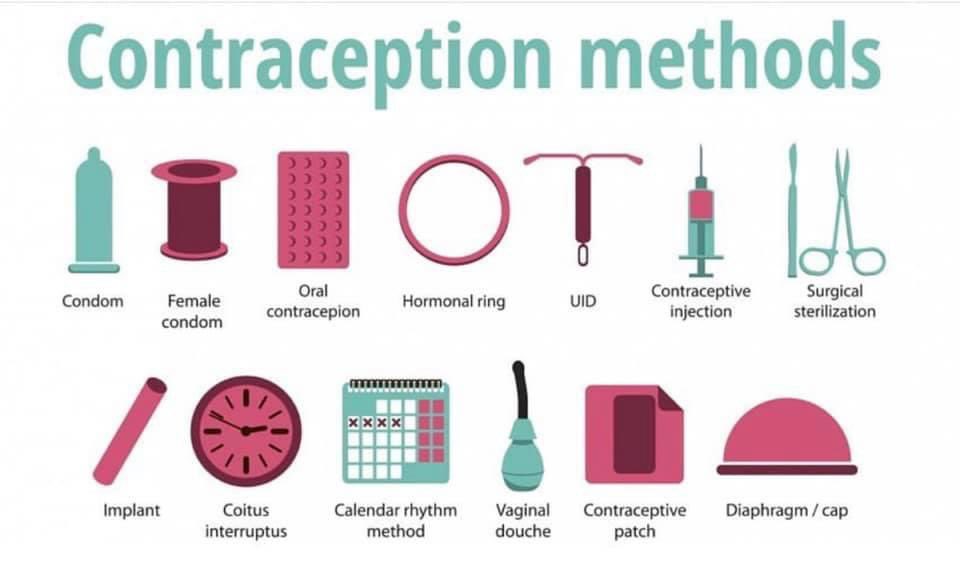
Contraception or birth control is the use of one or more of many methods, devices, chemicals, drugs, or even surgical procedures to prevent pregnancy; it is also known as fertility control. It's difficult to decide which contraceptive method is the best due to a wide variety of options. Researchers continue to work on finding the perfect convenient, effective, affordable, and safe contraceptive with the knowledge that most contraceptive methods are quite effective if used properly. This study was carried out to gain knowledge on how far women are with the various contraceptive methods and to evaluate their awareness of advantages, disadvantages, problems, and the proper use of each method. The study was carried out in Tripoli city by distributing a questionnaire form along with personal interview of 370 randomly selected women at one major women hospital (Al Jalaa Maternity Hospital) and three clinics (The Maltese Libyan Clinic, Al Massara Clinic, Al Mokhtar Clinic), and Fashlom public Polyclinic, the questionnaire consisted of a mix of close ended, open ended and multiple-choice questions. The study showed that 89 of the participants (38%) relied on the natural methods on the claim that no side effects are associated with them, although such methods are not highly effective in preventing pregnancy. Moreover, many of the study’s participants have either wrong or incomplete information on contraceptives in general; however, others have somewhat correct information. The counseling was mostly carried out by physicians and mainly around determining the type of contraceptive used. Roles of pharmacists as counselors and drug information providers were limited or even absent in most situations.
- References
- Cover Image
-
- Downloads
- Published
- 2025-08-07
- Issue
- Volume 1, Issue 3, 2025
- Section
- Articles
How to Cite
Similar Articles
- Najwa Belhamad, Boshra Fathalla, Marfoua Ali, Prevalence and Risk Factors of Urinary Tract Infection among Pregnant Women Attending Antenatal Clinics at Some Private Sectors in El Jabal Al Akhdar, Al-Byda, Libya , Razi Medical Journal: Volume 2, Issue 1, 2026
- Nawfal Hussein, Liwar Ahmed, Halder Abozait, Antimicrobial Resistance in Iraq: A Public Health Emergency in the Shadow of Conflict , Razi Medical Journal: Volume 1, Issue 3, 2025
- Naamat Abid, Ghadda Mohamed, Ghadda Alshumani, Prevalence and Cytological Patterns of Cervical Lesions in Libyan Women: A Five-Year Pap Smear Analysis , Razi Medical Journal: Volume 1, Issue 4, 2025
- Muftah Elbahloul, Khadija Amer, Sana Alghennai, Mohamed Jahan, Hussien Elaswdi, Manal Abusebbara, Ans Elkhodory, Mohamed Eshtiwi, Awareness of Nursing Staff in Misurata Public Health Facilities on HIV/AIDS Transmission: A Public Health, Anaesthesia, Healthcare Management and Health Education Concern , Razi Medical Journal: Volume 1, Issue 4, 2025
- Salem Sariti, Narjes Abuoud, Nosocomial Bacterial Infection in Misurata Central Hospital, Libya , Razi Medical Journal: Volume 2, Issue 2, 2026 (April to June)
- Taweda Khalifa, Factors and Outcomes Associated with Successful Vaginal Birth After Cesarean Section , Razi Medical Journal: Volume 2, Issue 1, 2026
- Sumaya Alusta, Eman Alsqyar, Antisar Ibashouk, Effects of Ultraviolet-C Radiation on Skin Trace Element Concentrations (Copper, Zinc, and Iron) in Wistar Rats: An Atomic Absorption Spectrometry Study , Razi Medical Journal: Volume 2, Issue 2, 2026 (April to June)
- Alaa ALMoula, Lana Mansor, Sarmad Almaula, The Importance of Probiotics in Human and Animal Life: A Review , Razi Medical Journal: Volume 1, Issue 4, 2025
- Mahmoud Ashawesh, Mustafa Alkawash, Ayah Meigal, Baraah Almsiri, Abtihal Almasalati, Tracking the Burden of Type 2 Diabetes Mellitus Among Libyan Patients in Three Populated Districts of Tripoli, Libya , Razi Medical Journal: Volume 1, Issue 4, 2025
- Muftah Elbahloul, Khadija Amer, Rehab Eltayeb, Exploratory Factor Analysis on Validity of the Knowledge, Attitude, and Practice Questionnaire toward Tuberculosis in the English language: A Public Health Research Concern , Razi Medical Journal: Volume 2, Issue 2, 2026 (April to June)
You may also start an advanced similarity search for this article.